BoatGearWise
Gear up right. Boat with confidence.
Honest, practical buying advice for trailer boaters and pontoon owners. We explain what each piece of gear is for, what to measure or check before you buy, and where the owner manual or a marine tech has the last word instead of a website.
Where boaters usually start
A handful of areas cover most of what owners ask about in a first season. Pick the one that matches the job in front of you.
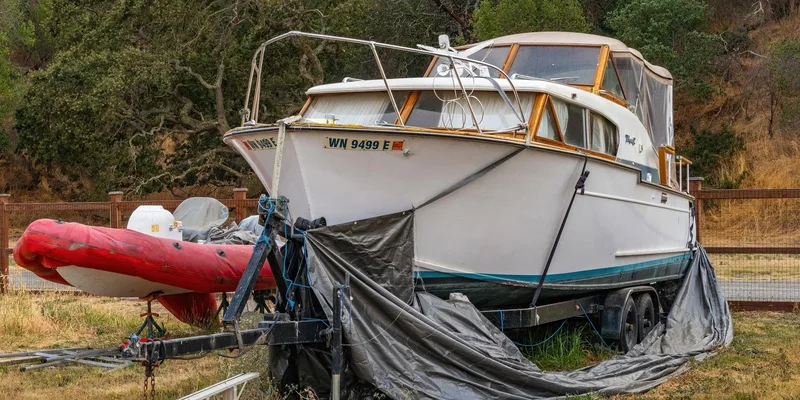 Trailering and TowingWinches, straps, guide-ons and bearings, plus the parts that let you down first at the ramp.Browse trailering and towing ›
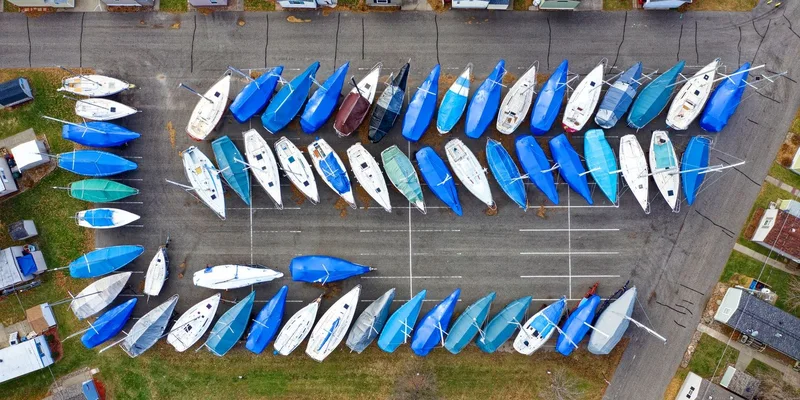 Covers and BiminiUniversal fit covers, bimini tops and support poles, with the sizing questions answered up front.Browse covers and bimini ›
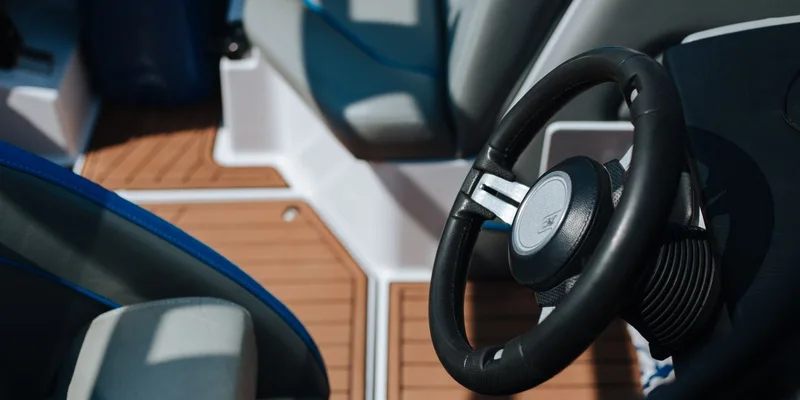 Seats and Deck ComfortSeats, pedestals and swivels that survive sun and spray, matched to the deck you already have.Browse seats and deck comfort ›
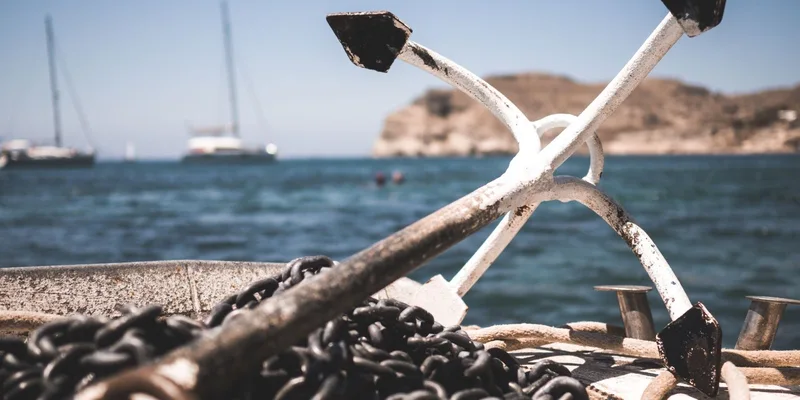 Anchor and DockingAnchors by bottom type, rode and chain, fenders and dock lines, sized to your boat and not guessed at.Browse anchor and docking ›
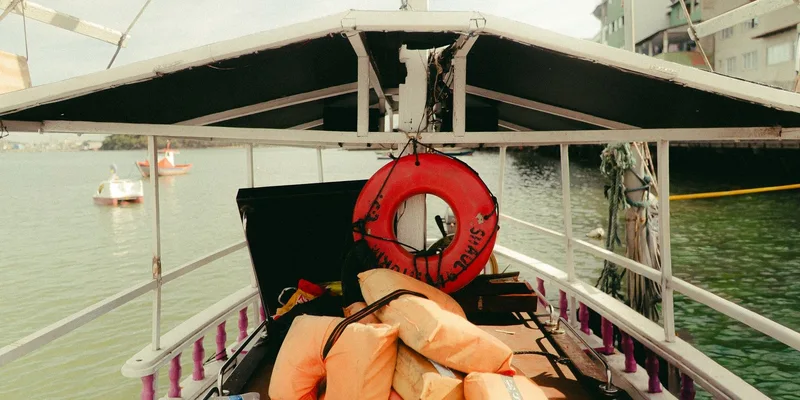 Safety GearLife jackets, throwables and signals, with the requirements referenced from the Coast Guard.Browse safety gear ›
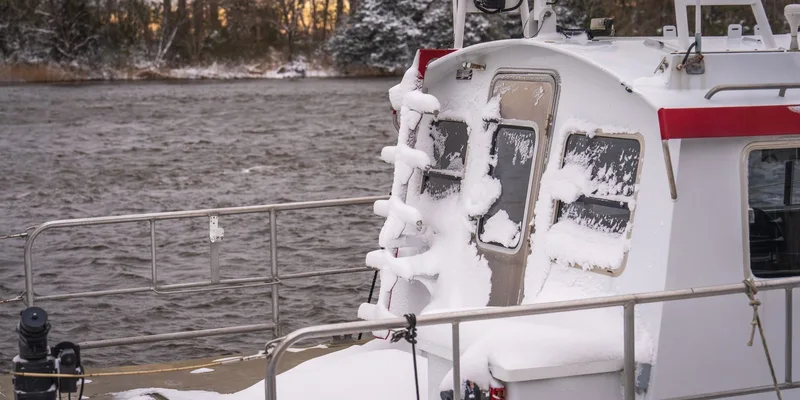 Cleaning and MaintenanceCleaning, flushing, storage and winterizing. The jobs that decide how next season starts.Browse cleaning and maintenance ›
Start here
The guides that answer the questions we get first, each one written around fit and setup rather than brand names.
TraileringBest Boat Trailer Winch: Manual or ElectricStrap or cable, gear ratio and mounting, matched to the weight you actually pull.Read the guide ›CoversBest Boat Cover: Universal Fit That Stays PutLength, beam and tie down points come first, because a cover that does not fit will not last.Read the guide ›AnchoringBest Boat Anchor: Match It to Your Bottom TypeBottom type decides the anchor, and the rode decides whether it holds.Read the guide ›SafetyBest Life Jackets for Boating: Types I Through VTypes, fit and where the Coast Guard rules apply, without us inventing a single number.Read the guide ›How we choose what to suggest
We are not a test lab and we do not pretend to be. There is no workshop here, no tow rig, and no scoring system invented to sound objective. What we do is read the product listings and the manufacturer instructions, compare the specifications makers publish about their own products, and set those next to the official rules where rules apply.
When a number comes from a listing, from a manual or from the Coast Guard, we name the source so you can check it yourself. When a category is full of near identical products, we say that too, instead of inventing a winner.
Where our guides stop
Every boat, trailer and tow vehicle is a different combination, so the numbers that matter are the ones on your own capacity plate, hitch and axle. We never make up a rating, a tongue weight or an anchor size. For rigging, repowering and anything structural, a marine technician is the right call.
Required safety equipment differs by state and by boat length, so uscgboating.org is the place to check that. We point to gear the way we would for our own boat, with the caveats left in rather than trimmed out.
What you can expect from a guide here
Beam, bunk width, ball size, transom height. Most returns trace back to a measurement nobody took.
Load ratings and standards references are quoted from the maker, never assumed or rounded up.
People who launch, load and store the boat themselves, not a crew with a lift and a slip.
Where something needs a marine tech or careful installation, we say so instead of glossing over it.
More topics
The rest of the site, from covers and anchoring to maintenance and winterizing.